When you click on links to various merchants on this site and make a purchase, this can result in this site earning a commission. Affiliate programs and affiliations include, but are not limited to, the eBay Partner Network.
A couple of other considerations, and ones that are hard to compensate for with your spreadsheet.
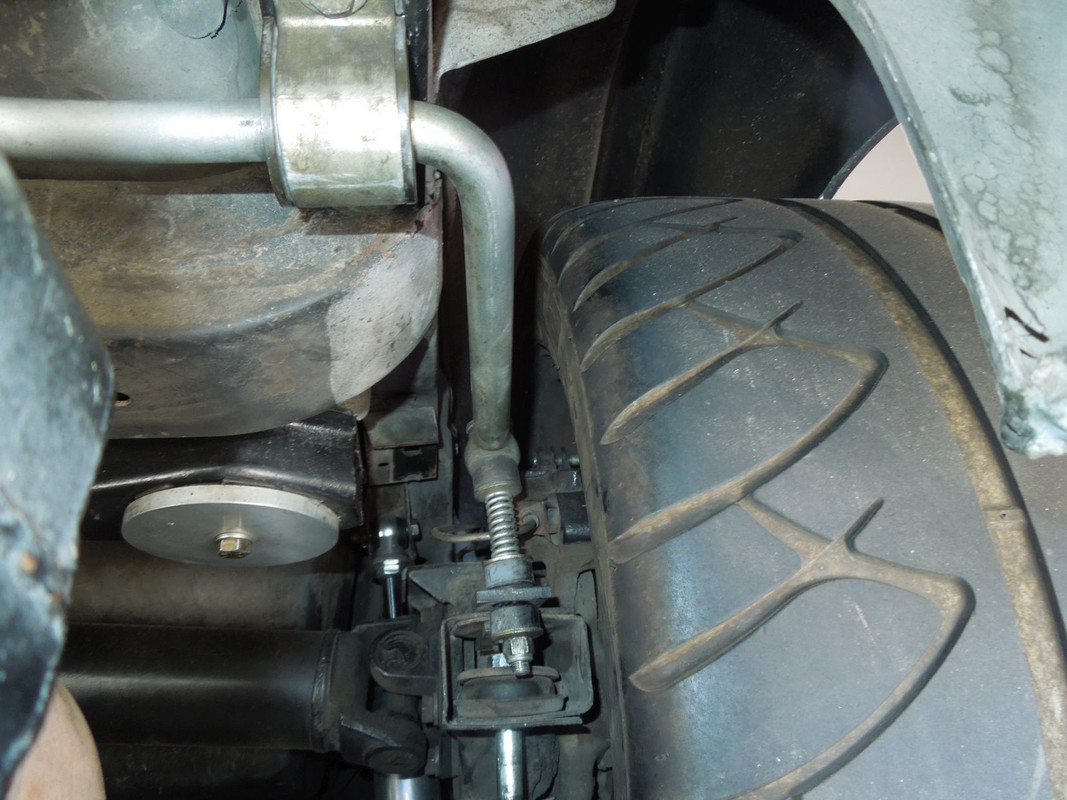
Firstly, any side yoke play in the differential results in lost negative camber on the outside rear wheel in a turn. Obviously the lower you can get this play the better. On this subject too, I note too that pictures underneath most of the quick autocross guys cars that I have seen over the years have the strut rod inners mounted high to utilise camber gain.
Secondly, chassis flex. There's a lot of it... Short of a full cage, tying through the fire wall from front to rear of the chassis, there still will be, and the stickier your tyres and higher the cornering loads, the more flex there will be. Though you can help with solid mounts, a spreader bar etc, there is still a lot of flex, you can clearly feel it if for example you go through a drain at an angle. It's just something that you have to live with and work around. My car is a street car first and foremost, and there is no legal way to put in a full cage where I live in Australia and retain street registration (damn nanny state...). And there's not a whole lot of room in these cars to begin with, even without a cage anyway. I think from memory that gkull does have an extensive cage in his car.
My car just lifting the inner front powering out of a corner:
Last edited by Metalhead140; Oct 6, 2021 at 08:15 PM.
That is a great pic Metalhead! You really have that thing dialed in. To grip like that.
Yes I have seen many autocross cars lift a front tire (some rear ones too but I don't pay much attention to FWD usually LOL)
What many don't realize, but I am sure you do, is that even on a car with 50/50 weight distribution, that about 70% of the weight transfers at the front. So the 600 ish lbs of weight transfer goes mostly to the left front, it's like an extra 100# or so just got jacked from the back to the front of the car. That tire can hit 1500-1700+ lbs in the corner and the right be at 100-200# even at 1.0G. It would not take much more G Force than that to lift the inside front. (On a 911 with their light front end that process happens even quicker.)
Now with a sudden power application, front shock rebound valving comes into play, which is many times stronger than the compression, and can lift the tire briefly before the shock unloads and extends. Another way is the outer bump stop bottoms out, that's the bad way to lift it. Making sure it happens the way you want it too, that makes the car faster. Adding understeer to the car, so you can use more throttle, also aggravates the problem. Ideally you want all four tires on the ground, but sometimes the other change that causes it is worth it.
All suspension tuning is always a compromise, but the main goal is all the motions must be smooth, gradual and predictable. After all the goal is to take the tire exactly to the edge of it's adhesion, and hold it there, without going "over" right?
Do you have any full page size pictures of your car on the track? It's hard to see, but your Avatar picture looks like you have rear pos camber gain in the turns. What do you have for rear suspension.
Clearly a lot experience and expertise in this thread.
Speaking of unsprung weight, if 80 pounds of unsprung weight is removed from my 72's C3's suspension with new wheels and aluminum calipers will I feel that improvement in the ride and handling on the street?
Car has the full VB&P suspension front & rear but stock calipers and 15 x 8 steel wheels. Definitely could feel the suspension upgrade.
Hornetball
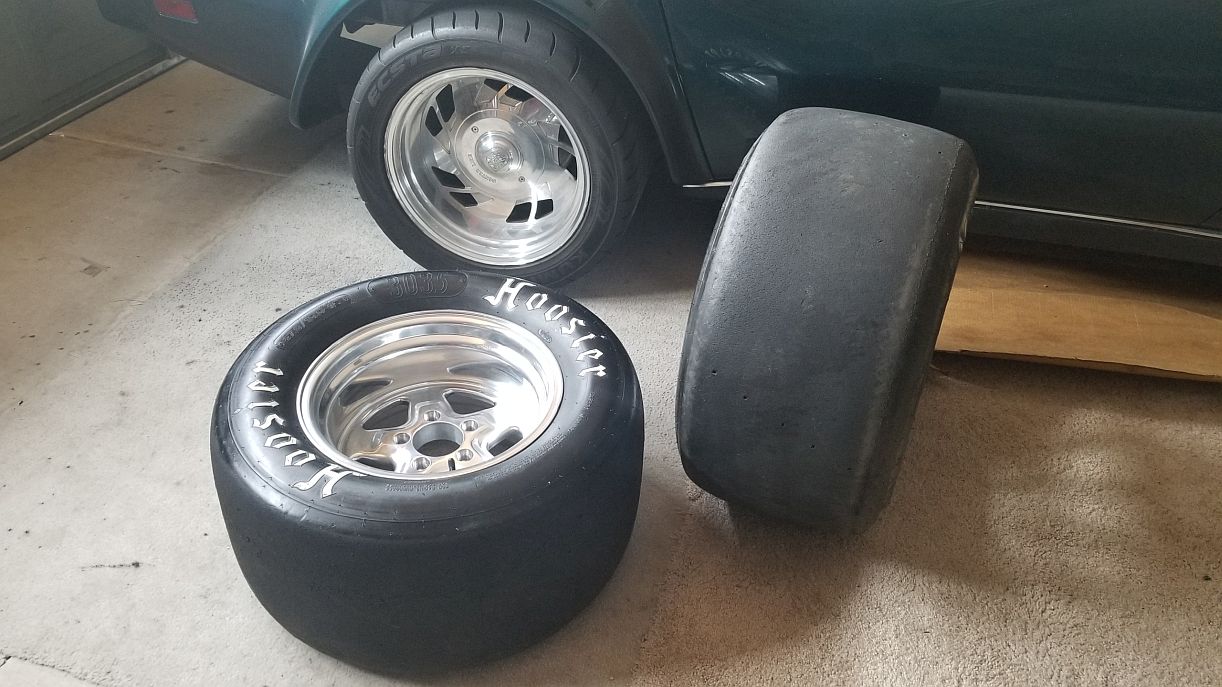
Lovin' the tire wear picture!
I used to set my alignment by tire wear (well at least partly)
My Hoosiers were about as thick as 4 pieces of paper when they looked like that. I do not know how they even held air.
Now if only you could get the middle to wear as evenly. Then they would be bald all the way across. LOL
So now....the question is:
1) Do you need a couple more psi to get the middle to wear evenly? -or-
2) Is the inside wear from large static camber and the outside wear from pos camber in a corner?
Only tire temps will tell the tale... or a corner pic would help like GKull mentioned.
99 Black Bird TA
It should ride better. And respond to bumps better, especially things like tar strips, and handle better in a bumpy corner.
But with the same shocks I have no idea if you could actually feel the difference or not.
Maybe on impact strips. Maybe on the clock on a course. But you quite literally may have to (soften??) the shocks (rebound?) due to 20% less weight to control, to optimize traction. Then it would definately ride better. That is the advantage to less unsprung weight.
Last edited by leigh1322; Oct 7, 2021 at 04:13 PM.
yes I have a cage over what was needed by the rule book 30 years ago. 1 3/4 .140 DOM or something like that. heavy wall. safety first! ! I never even put in the swing out door bar kit. Later rules required an additional cross bar behind the driver seat to the roll bar. But I didn't do because I wanted cargo area for traveling and street driving.
I also did the Chevy Power book recommended kit from Tom's with all the frame gusseting and welded up the frame with continuous seam welding. Nothing rusts in the Southwest with 12% humidity on most days.
Fire proof aluminum bubble matting and flame retardant short pile carpet after gutting the interior and using a hole saw to cut through the body
Rear most is near the diff crossmember and hoop bar is in front of the kick up
275 front street tires and 335 rears on 9 and 13 inch wheels
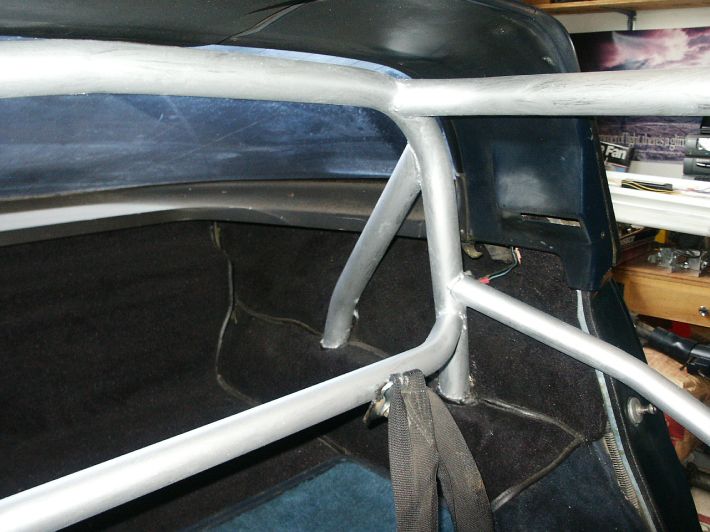
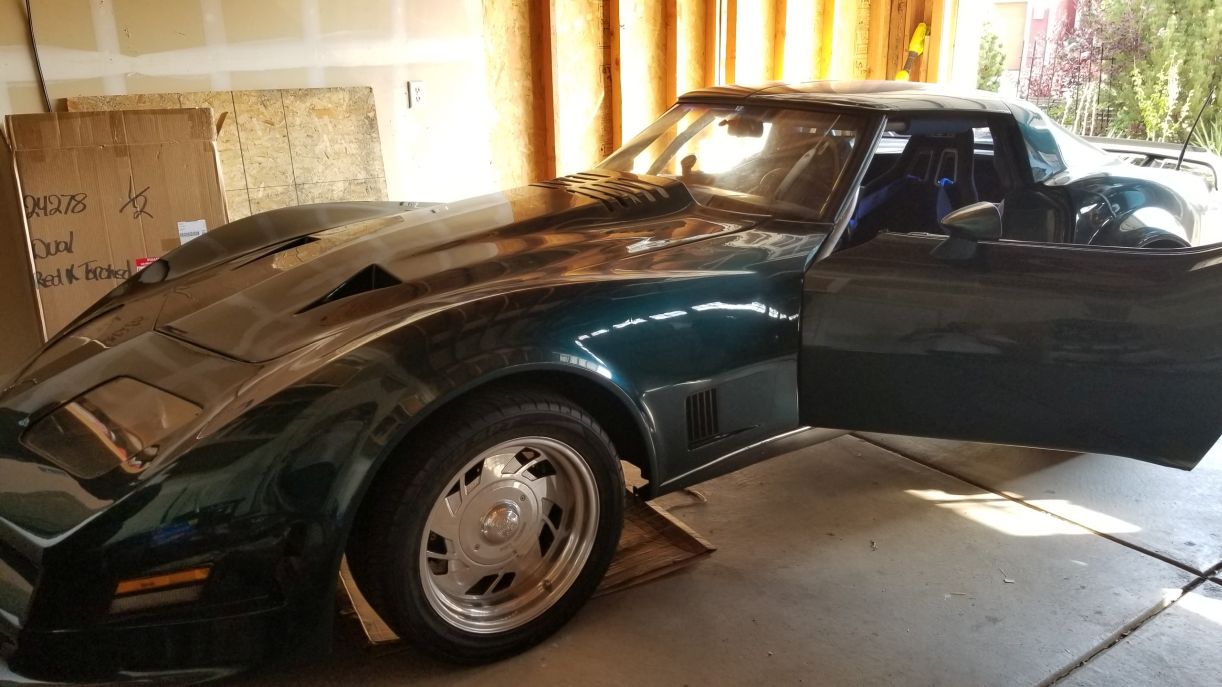
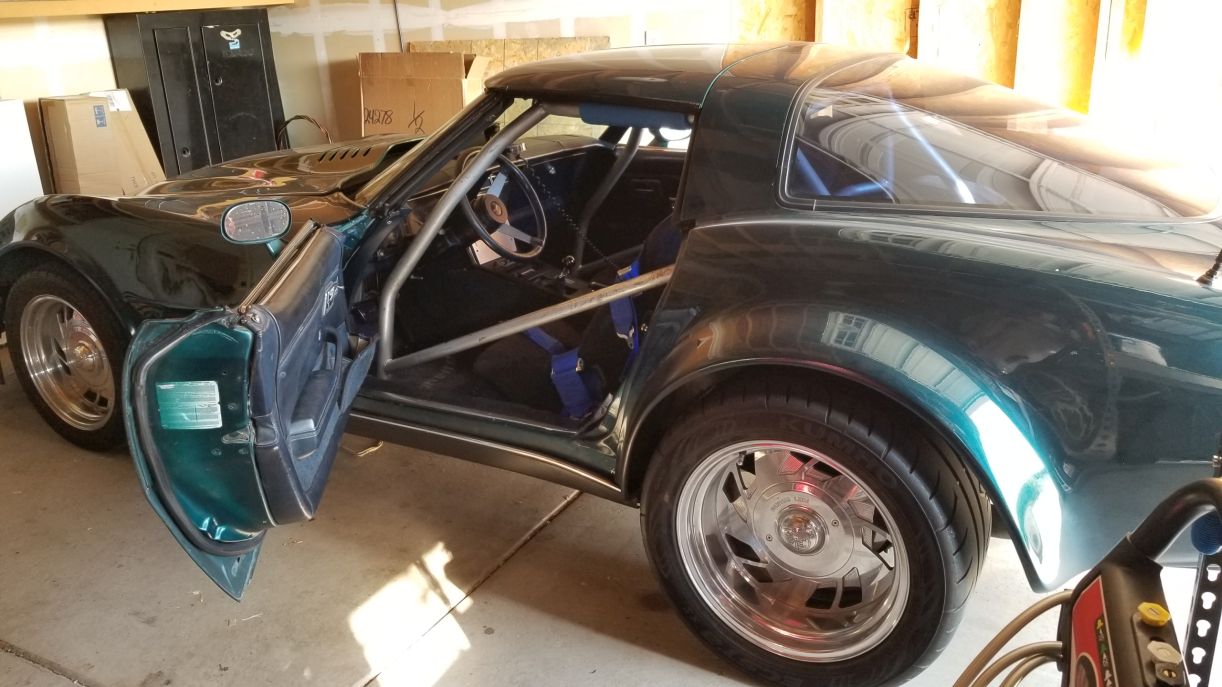
Here's my heavy duty "harness bar" since it doesn't meet anyone's rules. It was a first trial run built out of an inexpensive kit. Just this 4 point bar along with some frame reinforcement & a spreader bar up front made a substantial improvement. Since my car is also a street car that sees a lot of trips and I'm 6'2" a roll cage is out of the question for me. It's currently back out of the car for the time being while I design an improved version with an angle brace this winter. With a flat back window it is REALLY tight to fit any kind of a bar in the back without intruding on the passenger's area.
Back in street trim for this summer with cushy factory seats .... In process of putting a factory looking shifter handle and stereo back in it at the moment.
Hornetball
Lovin' the tire wear picture!
I used to set my alignment by tire wear (well at least partly)
My Hoosiers were about as thick as 4 pieces of paper when they looked like that. I do not know how they even held air.
Now if only you could get the middle to wear as evenly. Then they would be bald all the way across. LOL
So now....the question is:
1) Do you need a couple more psi to get the middle to wear evenly? -or-
2) Is the inside wear from large static camber and the outside wear from pos camber in a corner?
Only tire temps will tell the tale... or a corner pic would help like GKull mentioned.
Like I said, I'm only now beginning to work on setup -- I spent my time this Summer working on cooling. I had set the initial recommendations from the Chevy Performance book (running an F40 suspension -- later called F41). Hoosier TD-R bias plies.
Anyway, this tire wear is #2. I was overinflated. Inside wear from braking camber, outside wear from cornering camber.
I am a bit limited by vintage racing rules. For example, have to run stock control arms and spindles. Honestly, I'm surprised at how well the F40 handles.
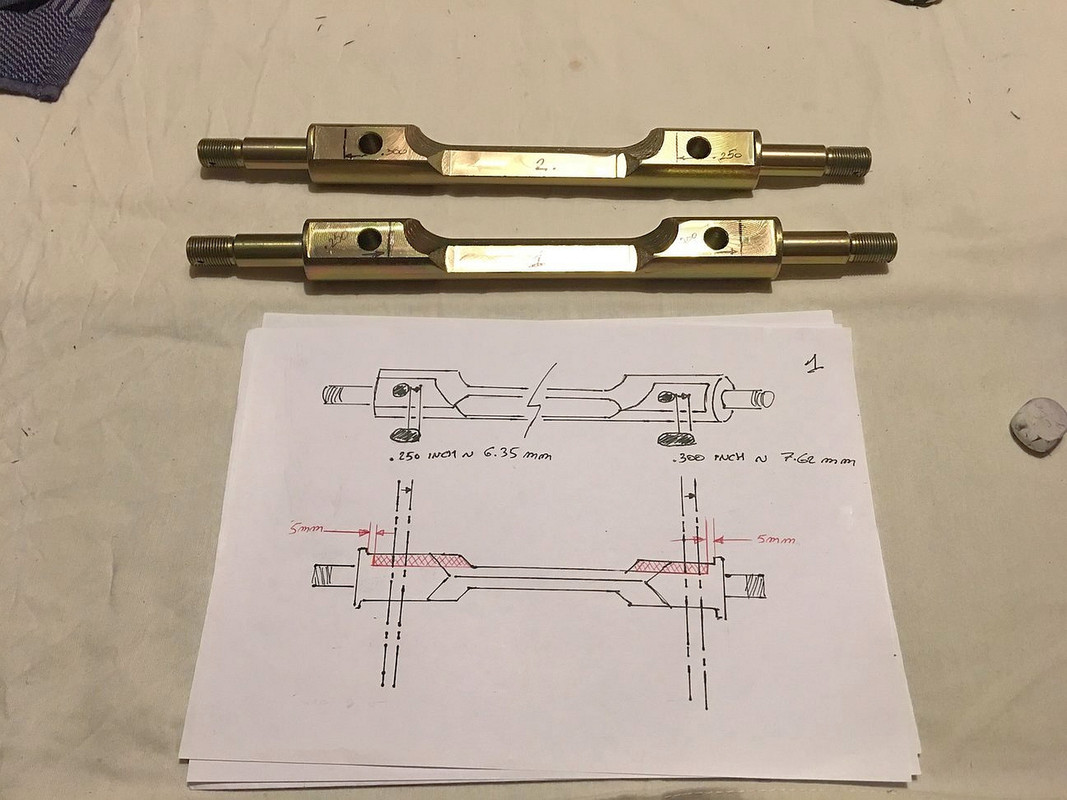
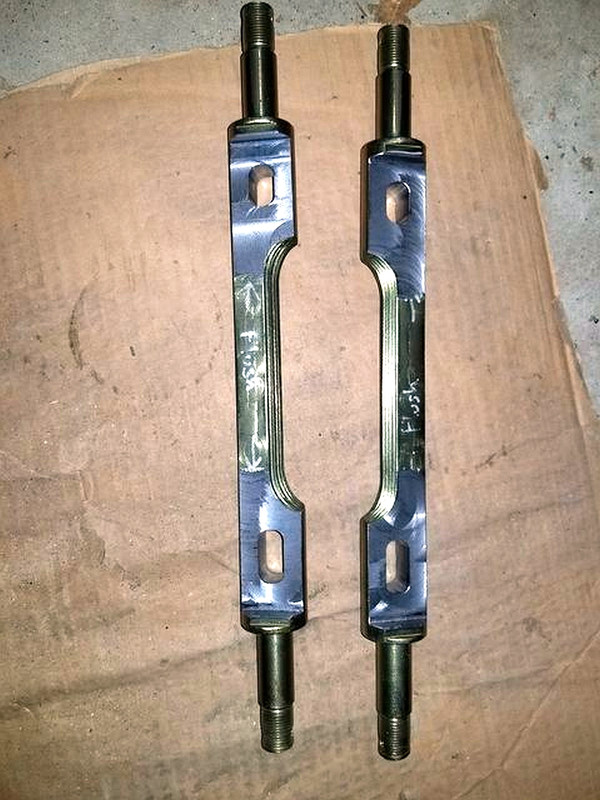
Modded A-Arm cross bars to get up to @ 7 degrees of Castor. Very easy to machine. This was given to me on how to do mine.
These are NASCAR bias ply slicks for vintage racing. Made for 10 inch rear wheels. The tread width is something like 12 inches. Really sticky at temp. Road racing I was able to get an hour or even two out of them even on abrasive tracks.
VB&P rear spring end 3/4 sway bar. I set them to allow a certain amount of wheel vertical travel before the sway bar comes in. I had to use a hydraulic press to put 4 bends in the center to shorten the length for 13 inch rear wheels.
Like I said, I'm only now beginning to work on setup -- I spent my time this Summer working on cooling. I had set the initial recommendations from the Chevy Performance book (running an F40 suspension -- later called F41). Hoosier TD-R bias plies.
Anyway, this tire wear is #2. I was overinflated. Inside wear from braking camber, outside wear from cornering camber.
I am a bit limited by vintage racing rules. For example, have to run stock control arms and spindles. Honestly, I'm surprised at how well the F40 handles.
I am not surprised at all that a stock F40 handles very well, The GM Corvette engineers really knew what they were doing and several suspension design features were optimized for racing, not street driving. That is a rarity at a place like GM. Courtesy of Duntov's leadership.
Which rear strut rod mount are you running? C2 or C3? And are you allowed to change it according to the rules?
The front a-arm bar Gkull mentioned really helps as well, if you have PS, and probably would not be visible. Moog Upper control arms with 1/4" slot added. You could do this to stock arms too.
Last edited by leigh1322; Oct 8, 2021 at 03:14 PM.
The taller ball joints could also help. They would shorten the instant center, and increase the rate of camber change. So you can wind up with closer to zero in a turn.
Finally found an old camber plot I created after installing the longer ball joints.
Finally found an old camber plot I created after installing the longer ball joints.
Awesome data. Thanks!
That would immediately fix my bump-steer problem. Is the upper ball joint the only thing you changed for this experiment? Could you post the part number for the ball joints you used?
I also have SPC upper A-Arms, so 4-bolt ball joints are fine, I just need to swap the mount plate.
I installed the 3/4" longer ball joints when I installed the SPC upper A-Arms. I used Howe ball joints. Regretfully, its been way too many years to recall the part number, but here is a link to Howe's site. Just find the desired body, and match up the ball stud you want. However, these mainly affect the camber curve and roll center. I had to install VBP's anti-bumpsteer blocks to reduce the bump steer (see post #9). Regretfully, I don't believe anyone still sales them anymore. You'll probably have to get the adjustable studs that many companies offer now days.
I installed the 3/4" longer ball joints when I installed the SPC upper A-Arms. I used Howe ball joints. Regretfully, its been way too many years to recall the part number, but here is a link to Howe's site. Just find the desired body, and match up the ball stud you want. However, these mainly affect the camber curve and roll center. I had to install VBP's anti-bumpsteer blocks to reduce the bump steer (see post #9). Regretfully, I don't believe anyone still sales them anymore. You'll probably have to get the adjustable studs that many companies offer now days.
Jason
Thanks for posting the camber curve imrpovements possible with 3/4" longer upper ball joints. Thanks to your careful measurements it looks like the camber gain doubles from 1 degree to 2 degrees for that critical first 1.5" of bump. That could be just the ticket for someone wanting to run less static camber and still have 0-0.5 degrees negative in a corner.
Now there are so many different things that affect bumpsteer in the suspension, (basically everything) that I would strongly suggest to anyone contemplating this to measure your car first and determine what it needs. You could just as easily make it worse, as make it better. Bumpsteer is affected by camber, caster, and ride-height.
When I get to that point I will carefully measure my car and see if I can cut mine down to under .030" like Jason did. However spring rates, ride height, castor and camber must all be taken care of first, probably in that order. Bump-steer is dead last.
From: I tend to be leery of any guy who doesn't own a chainsaw or a handgun.
Hey Leigh, excellent thread!
After years of tweaking my stock suspension I finally just cut and modified a spare C3 frame and put a narrowed C4 suspension on it, and am running it under my '69. While I like the lighter weight of the C4 suspension, I find that I'm still doing similar tweaks to it to get the car to handle the way I like.
Looking forward to additional content in this thread, and the possibility of it becoming a new sticky.




















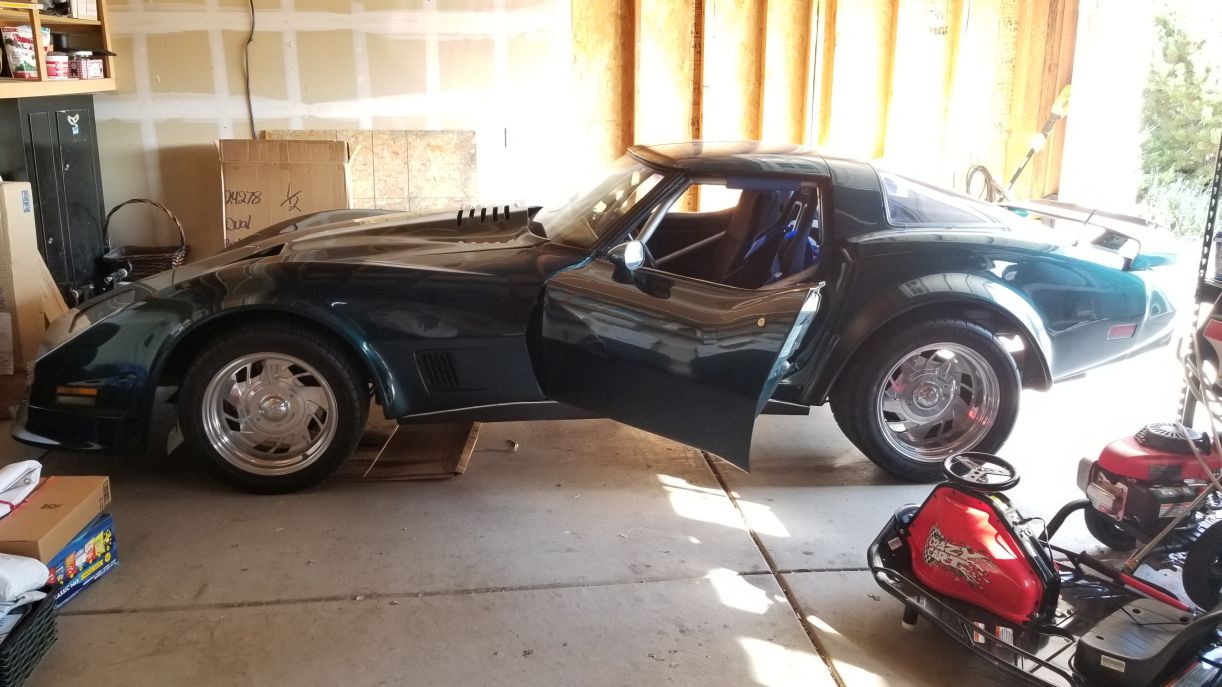


 .... In process of putting a factory looking shifter handle and stereo back in it at the moment.