When you click on links to various merchants on this site and make a purchase, this can result in this site earning a commission. Affiliate programs and affiliations include, but are not limited to, the eBay Partner Network.
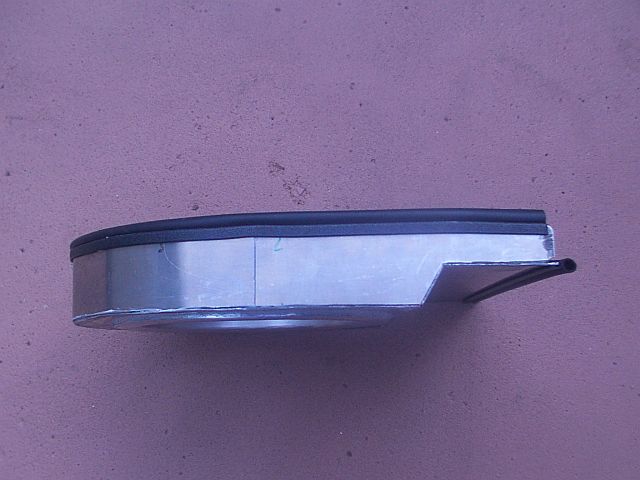
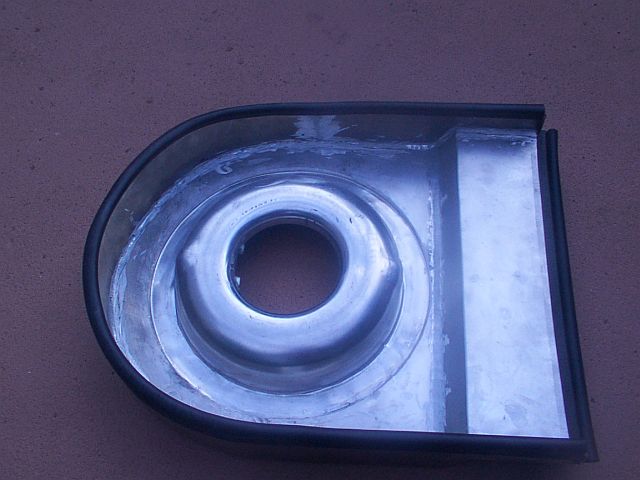
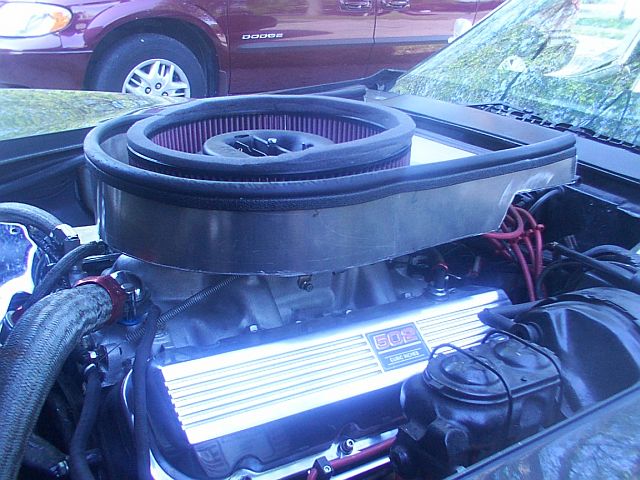
I finally have a working CAI/cowl induction setup on the car. I have had multiple temp sensors under the hood since last year shortly after swapping to electric fans for the rad. What I found previously with just the 15" open top air filter was while sitting at traffic lights the temp sensor inside the air filter would go up dramatically while idling at the light... not a huge deal because it would drop down to ambient within a couple minutes of moving again but I still figured "hey, I have this vented hood that came with the car so..". Anyway now that I have the weatherstrip in place to seal off the airbox to the hood I have noticed the air filter temps not only stay cooler longer while idling, they are cooler than ambient temps now on the highway. yesterday for example I saw 73 degrees in the filter while the engine bay sensor was still reading 91 in the engine bay while doing 70mph. I have yet another seal to seal off the backside of the airbox to the hood crossmember which will allow even less air from under the hood to be pulled in. I previously had an l88 airbox on order from exclers but after 6 months of waiting in limbo I canceled the order.. kinda glad I did. the stock system was long gone when I bought the car.
Last edited by augiedoggy; Jun 21, 2022 at 01:46 PM.
Nice job. I did my own cold air box also. I used the L88 stuff, but instead of bonding it to the hood, I riveted the air cleaner base to the box and use it as a cold airbox and sealed it to the hood. Works great!
That was clever, nothing like doing it wrong and making it better
Thanks (I think) Not sure I follow with "doing it wrong"? If you mean the factory CAI system being disposed of by the previous owner yeah I agree, Ironically though thats one of the reasons I bought the car, I know its personal taste but liked the look of the hood and I dont feel guilty about any mods Ive done. For example, the factory paint was long gone and the green paint on the car when I bought it was peeling everywhere so no guilt about changing the color. I have viking coil overs on the way as I plan to drop the car an inch or 2 and try to improve the handling. right now the slightest imperfection in the road can be pretty scary.
Very nice! I'm thinking about doing something similar on my 1980 stock hood. I think it will be a challenge, as the hood is pretty low, but I like the look of the low hood in the "valley" between the tall fenders, as viewed from the cockpit. Here is a link to the old, OLD thread that I have been drawing inspiration from:
One thing I'm concerned about is whether or not the stock '80 hood will allow a big enough opening at the base of the windshield to allow enough air through it. Has anybody ever looked at an '80 style hood and thought about that?
It was meant as a compliment. It was a practical step.
I will point out however the L-88 factory had the flat wiper door behind them spacing the rear hood opening several inches away from the windshield which I believe works better. That's why I had a filler panel made to cover the wiper door so I could use my Baldwin motion short hood. I really wish someone would make al L-88 good with the opening where it should be instead of jammed up to the windshield. It would function better and I think look better.
That is an interesting project you are working on there. Using fiberglass is better than metal as you are trying to keep the heat out of the intake air. I was pondering your comments about the air being cooler than the ambient which I don't think could happen without some active form of cooling. The air temperatures inside my L88 air box can creep up a little when you sit in bumper to bumper traffic.
One idea might be using a shiny aluminum foil or a thin polished aluminum plate on the bottom of the air box to reflect the heat away. DEI makes high quality flat insulation that could be applied to help reduce the temperatures from the coming off the headers. I am planning on applying this type of insulation above the headers but under the hood to prevent the cooking of the hood itself. Even a good layer of aluminum foil with the shiny side out glued to the bottom of the air box could be a inexpensive way of keeping the heat out. After shutting the engine off the engine dumps a lot of heat and it goes straight up and cooks both the hood and the paint job.
Since your hood is pulling the air in from the sides it would probably make sense to insulate the surfaces under the hood so your hood stays cooler near your combustion air intake vents.
I have never seen any information describing the air flow under the hood of a C3 Corvette but I am guessing the air comes in through the radiator where it is first heated before going further and removing more heat from the engine block and the exhaust system. Then the air flows over and around the engine before being pushed down and out the bottom of the engine compartment. The hotter temperatures from headers and such make the air want to rise but it is still forced to go down and out. This all leads to a very warm interior inside the Corvette unless there is additional insulation preventing the air from getting into the car. The U shaped Tunnel insulation is very important if you want a cooler interior, especially if you don't have air conditioning.
While cruising down the highway the heat is primarily going under the car and out the back. This is why I would like to try a sheet metal diverter to help force more of the air out through the sides of the Corvette versus going under it. If I were designing a car from the scratch I would put vents on the rear of the hood on top to allow the heat to go up and out. Kind of like what Lotus does with their Radiator mounted so the air going out over the hood. The cooler the engine compartment is kept the cooler the interior cabin of the vehicle is. The cooler engine compartment will also make the engine get cooler combustion air into it making more power as a result.
I set up my C3 to have the electric radiator fans run for several minutes (~30) after shut down to help get rid of as much heat as possible. ( I use a Deep Cycle battery) If the heated air being pushed in wants to rise it is just building up and spreading the heat inside the engine compartment, this is why those side vents or Gills as I call them could really help. With a Hot engine opening the hood after shutdown is the best way to keep from heat soaking all the parts. This is where a pair of small (maybe 10") fans mounted to push the air through the side vents and out of the engine compartment might really help. It would give the hot air an alternate way out by using a fan but having an air diverter inside the engine compartment would make a difference when cruising. On my 1968 the gill vents are open and have little restricting them. Ideally a set of louvers on top of the hood that open while driving but close when the car is not moving (and or raining) would be the best. Using the natural desire of Hot air wanting to rise could make the engine compartment cool off faster. Little curved spoilers on the outside of the gill vents could help "pull" air out while moving.
I have never understood why the designers of cars try to force the heated air to go down and out the bottom of the engine compartment. Unless the car is moving the cooling system is compromised allowing the under hood temperatures to rise to levels that have a negative affect on the engine's power output. Not to mention batteries inside the engine compartment will positively have a shorter life than if they had been put outside of the engine compartment. Engineers would be smarter when they use the natural forces to "help them" as opposed to defying them and suffering the negative consequences.
The hood I have was designed for the 1968 Corvette and it is mounted just like you suggested. My windshield washer cover is there as well as the other spacer which sets the opening back a few inches from the windshield. The air going into my intake is cooler and the engine really like the ambient air getting into the carburetor.
The factory L88 hoods are designed to have the air enter easily and when at speed they are actually pushing the air into the hood opening. I also don't have any issues with rain getting into the combustion chambers the way they designed it. I bought a factory original hood at Corvettes@Carlisle while looking for a good BB Hood. After using it and studying the design you see that someone put a lot of design work into the original design. If you have a lot of compression you need the coolest air possible getting into the engine. This hood was made to really help make power in it's original form. This is why I can't imagine using one without the air box as it is then just tall hood and you loose some of the design features.
The only negative thing I have found is they did not leave a hole for water to drain out of the lower section of the hood. There is a low spot that can collect and hold water.
The sound of a High Compression Big block wailing through it's gears through a L88 hood is a unique experience. The occasional backfire through the hood made a great show as long as the foam filter doesn't catch fire.
I can only comment as to what Ive found in my own vehicle by placing the 2 real time digital temp sensors in different positions under my hood and monitoring things.
I was hell bent on a CAI before I put these temp sensors in place and found that even without it completely, possibly due to my electric fans blowing down, possibly because the high rise vented hood? The air temps inside my air cleaner while driving down the road at say 40mph after a minute were the same as ambient air temp. The additional sensor mounted under the hood captured temps that were at most 10 degrees higher (I found that area to be when I had the sensor mounted about 5 inches from my side pipe headers, speaking of those sidepipes, they as well as the dynamat type heat shielding and shielding attached to my carpet kit does a good job to keep temps down in the cabin.
As far as the temps now being below ambient while the car is moving at a fairly good speed? I dont have an answer other than perhaps theres air being pushed into the air cleaner due to the negative pressure and perhaps like a fan thats causing a cooling effect to a point. Again im not planning on going crazy with insulating the air intake ,I realize there may be minor gains, for me though, just keeping fresh air being pulled or pushed in was the main focus and even though the engine gets very hot the engine bay strangely does not while the car is moving it does creep up at lights though.. hence the fresh air box. the airbox is fairly thick and coated with a pearlescent type silver paint perhaps to aid in heat rejection. I have a 1" spacer on the carb as well as an insulated seal between the carb and the airbox which also helps with heat transfer. theres a 1/4" aluminum spacer on the carb mount for the airbox which has a rubber oring seal and thats sits on 1/8" of paper gaskets. Ive yet to test it on a long 90+ degree day drive but im confident it will be ok. Ive read otherwise about the cowl area right at the base of the windshield on our cars, I remember seeing data in a thread somewhere as well as anadotal evidence in the form of someone tieing streamers and placing temp sensors at the base of the windshield and at different points under the hood. This added up to positive pressure air being pushed under the hood at the base of the windshield. I may loose some of that though with all the hood vents that travel a foot or so down my hood. I also have the gauge cluster blocking some of that area at the base of my hood.
I have a 180 high flow stat and have adjusted my twin fans were one comes on at 170 and the second at about 185 if needed. This results in the engine temps staying between 176 and 183 right now. I may adjust that further for less fluctuation.
Last edited by augiedoggy; Jun 22, 2022 at 02:21 PM.
Very nice! I'm thinking about doing something similar on my 1980 stock hood. I think it will be a challenge, as the hood is pretty low, but I like the look of the low hood in the "valley" between the tall fenders, as viewed from the cockpit. Here is a link to the old, OLD thread that I have been drawing inspiration from:
One thing I'm concerned about is whether or not the stock '80 hood will allow a big enough opening at the base of the windshield to allow enough air through it. Has anybody ever looked at an '80 style hood and thought about that?
Scotty
Do you already have a dual-snorkel CAI that you have outgrown? I really like the low hood of my 80, and figure the best solution if I need more air is a cut-down radiator and an LS-style intake.
There is an 80-stle aftermarket hood that gives an extra 2 inches of height.
Do you already have a dual-snorkel CAI that you have outgrown? I really like the low hood of my 80, and figure the best solution if I need more air is a cut-down radiator and an LS-style intake.
There is an 80-stle aftermarket hood that gives an extra 2 inches of height.
ive seen others mention the dual snorkel setup can support quite a bit of HP. there was one person here who went from a single to a dual and that tried other filters for comparision and found the dual snorkel had no issues supplying enough air even though the single did become restrictive closer to 400hp
The hood I have was designed for the 1968 Corvette and it is mounted just like you suggested. My windshield washer cover is there as well as the other spacer which sets the opening back a few inches from the windshield. The air going into my intake is cooler and the engine really like the ambient air getting into the carburetor.
The factory L88 hoods are designed to have the air enter easily and when at speed they are actually pushing the air into the hood opening. I also don't have any issues with rain getting into the combustion chambers the way they designed it. I bought a factory original hood at Corvettes@Carlisle while looking for a good BB Hood. After using it and studying the design you see that someone put a lot of design work into the original design. If you have a lot of compression you need the coolest air possible getting into the engine. This hood was made to really help make power in it's original form. This is why I can't imagine using one without the air box as it is then just tall hood and you loose some of the design features.
The only negative thing I have found is they did not leave a hole for water to drain out of the lower section of the hood. There is a low spot that can collect and hold water.
The sound of a High Compression Big block wailing through it's gears through a L88 hood is a unique experience. The occasional backfire through the hood made a great show as long as the foam filter doesn't catch fire.
Back in the mid 70s I owned and drove a real L-88 68 roadster and you are right the sound was amazing!
How many people have driven one 10 k miles on the street? Not many I bet. I think I'm happier being able to say that than to say I have one in my garage and drove it once.
I like my 79 just fine and it surprises alot of people.
Responding to an earlier post fiberglass doesn't transmit heat well. So I'm not sure insulating a fiberglass air box will do alot
Do you already have a dual-snorkel CAI that you have outgrown? I really like the low hood of my 80, and figure the best solution if I need more air is a cut-down radiator and an LS-style intake.
There is an 80-stle aftermarket hood that gives an extra 2 inches of height.
Nope, the car came into my life with an aftermarket 14" open element air cleaner. Maybe I'll start looking around for a stock air cleaner setup, I bet they cost a fortune.
Edit: Nope! People seem to want WAY too much money for that stuff! I think I can make something for next to nothing, so that's what I'll do.
Scotty
Last edited by scottyp99; Jun 22, 2022 at 04:29 PM.
ive seen others mention the dual snorkel setup can support quite a bit of HP. there was one person here who went from a single to a dual and that tried other filters for comparision and found the dual snorkel had no issues supplying enough air even though the single did become restrictive closer to 400hp
That's better than I thought! I thought the dual would get restrictive by 400 hp.
Originally Posted by scottyp99
Nope, the car came into my life with an aftermarket 14" open element air cleaner. Maybe I'll start looking around for a stock air cleaner setup, I bet they cost a fortune.
Edit: Nope! People seem to want WAY too much money for that stuff! I think I can make something for next to nothing, so that's what I'll do.
The PO of my 79 threw away the L48 single snorkel, and put on one of those stupid Edelbrock air cleaners. I swapped it all back to stock+, including piecing together the L82 dual snorkel parts from three different sources.
I may be selling the system for 2/3 of a fortune this winter. I really don't think there is room behind the stock 80 hood for the early-style airbox, but I'd be happy to see what you come up with. Perhaps start a new thread!
That's better than I thought! I thought the dual would get restrictive by 400 hp.
The PO of my 79 threw away the L48 single snorkel, and put on one of those stupid Edelbrock air cleaners. I swapped it all back to stock+, including piecing together the L82 dual snorkel parts from three different sources.
I may be selling the system for 2/3 of a fortune this winter. I really don't think there is room behind the stock 80 hood for the early-style airbox, but I'd be happy to see what you come up with. Perhaps start a new thread!
Honest question…..so please, give an honest answer. When you drive the car with the new cold air induction…….is there any real noticeable difference?
I understand the technical facts on air density. I understand that we as hobbiests often make changes to enhance performance. But I have often found that these ideas and theories do not actually provide measurable differences on the street in real life conditions.
Honest question…..so please, give an honest answer. When you drive the car with the new cold air induction…….is there any real noticeable difference?
I understand the technical facts on air density. I understand that we as hobbiests often make changes to enhance performance. But I have often found that these ideas and theories do not actually provide measurable differences on the street in real life conditions.
Honestly, would it matter to you if I told you there was?
Seriously though, Ive only driven it twice this way before tearing it back down to fix a coolant leak at the intake manifold gaskets. I also made other changes recently such as the ported generic ebay heads and rejetting that was needed as a result which also made a large noticeable improvement so its tough to gauge this stuff individually.. I also do have to believe there's a reason virtually all modern cars come with some form of CAI now.. Somewhere engineering was done to so the benefit as most car companies dont brag on this for marketing reasons which would be one reason to justify the costs. Ive seen some dyno testing done a while back which also supported gains...
I guess its kind of like those modern electric fans you dont feel are beneficial, along with air conditioning or power steering in a corvette.. Its all about what we as the owners of our cars do to benefit our own wants and tastes. and often we choose to focus on different aspects of these things to support our preconceived notions of what we want sometimes ignoring all data that doesnt align with it to justify our course of action. Years ago I remember giving someone a hard time about thier CAI on this forum because at the time I really just didnt like the looks of them and wanted to believe there was no real benefit to justify my choice not to run one.. Now I try to bite my tongue in moments like that its hard when I know I tend to be an overly opinionated person feeling others should see that if it worked for me it could work out the same for them which is just not always true.
I'll add what started all this was driving the car around with no hood one day a year ago.. The car just had a different personality as far as not being as sluggish when taking off at intersections.. That got me wondering if the incoming air temps had any input on this.
Last edited by augiedoggy; Jun 23, 2022 at 09:56 AM.





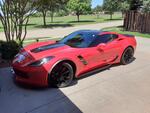
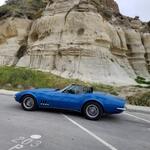






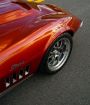

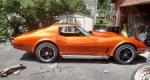


 DIY cowl induction setup


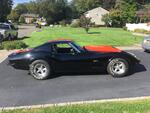



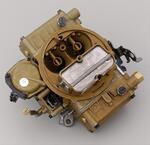










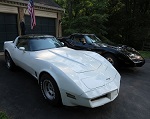


 I really don't think there is room behind the stock 80 hood for the early-style airbox, but I'd be happy to see what you come up with. Perhaps start a new thread!